

The study peptide industry has developed quickly in the last decade, and so has how many providers competing for attention. For laboratories and separate scientists, selecting credible sellers from debateable ones can appear overwhelming. When you decide to peptide therapy near me, the supplier you decide on immediately affects the reliability of one's results. Below, we answer the questions scientists ask most—reinforced by the standards a reliable research must meet.
How important is third-party testing?
It is the single most significant factor. A trustworthy company batch-tests every peptide through independent laboratories and offers certificates of examination (COAs) on request. Quality testing typically includes HPLC purity evaluation, LC-MS identity proof, gravimetric material proof, heavy metal testing via ICP-MS, and endotoxin testing. Without these checks, you have number true way to ensure what is in the vial.
What purity level should I expect?
Research-grade peptides must be tested for love, identification, endotoxins, and heavy materials before they ship. Respected vendors publish the particular testing methods they choose as opposed to offering vague "lab-tested" claims. If a supplier can not inform you just how a substance was tested, handle that as a warning sign.
Does affordable pricing mean lower quality?
Maybe not necessarily. Advanced research-grade peptides can be made at accessible prices whenever a company is targeted on successful sourcing and clear operations. The goal is stability: exceptional purity and stability without inflated costs. Pricing alone is just a poor measure of quality—certification and screening tell the actual story.
How fast should orders ship?
Rate issues when research timelines are tight. Several established U.S.-based manufacturers process orders within 24 organization hours following cost affirmation, with delivery in roughly two to five business days. Subtle packaging and domestic shipping support scientists receive materials without pointless delays.
Are there shipping perks worth knowing about?
Yes. Many companies present free domestic shipping on qualifying orders—frequently above a set ceiling such as for instance $200. Transport services and products from within the United States also helps faster, more trustworthy distribution for domestic researchers.
What are research peptides actually used for?
Study peptides are meant strictly for laboratory examine and analysis. They are perhaps not for individual or animal consumption. Analysts and institutions utilize them for scientific research, and qualified consumers are normally expected to verify skilled status and the very least age of 21 before ordering.

How can I confirm a supplier is legitimate?
Search for clear signs of accountability. A credible merchant is clear about where services and products ship from, openly gives COAs, and explains its quality-control method in simple terms. U.S.-based manufacturers that emphasize visibility, group screening, and start communication are generally the safest choices for significant study work.
Why transparency should guide your decision
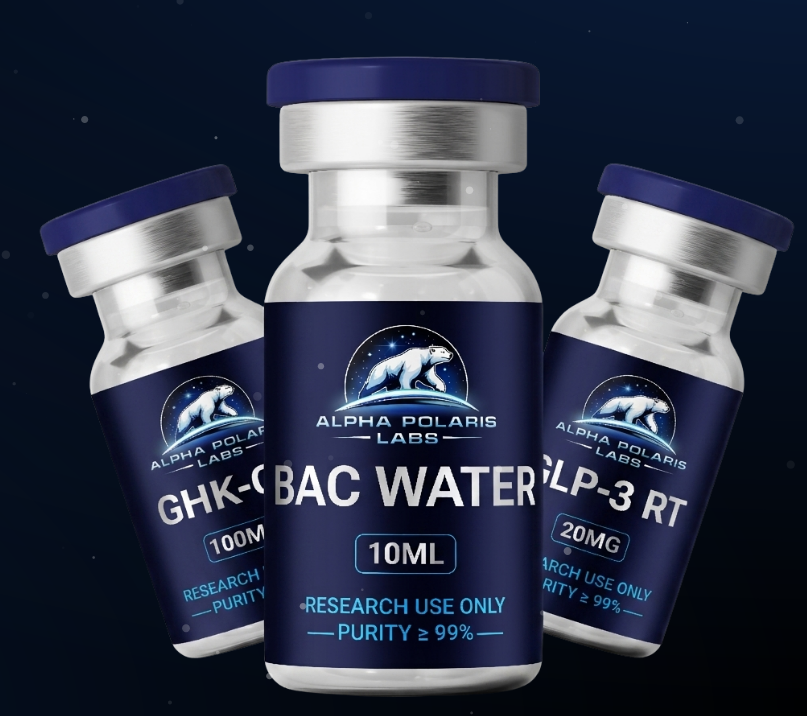
The peptide business is full of techniques, and that makes due diligence essential. Brands like Alpha Polaris Labs were developed to improve the standard—prioritizing reliability, affordability, and openness therefore researchers may confidence the resources they perform with. Choosing a provider that prices integrity and certification safeguards both your budget and the integrity of your research.
Final Thoughts
Buying peptides online doesn't have to be a gamble. Focus on three pillars: verified purity through third-party testing, obvious and available pricing, and rapidly, reliable delivery from a clear source. Each time a company checks all three boxes, you can buy with full confidence and hold your interest where it belongs—in your research. Review the certificates, ask the questions, and partner only with sellers who welcome the scrutiny.